
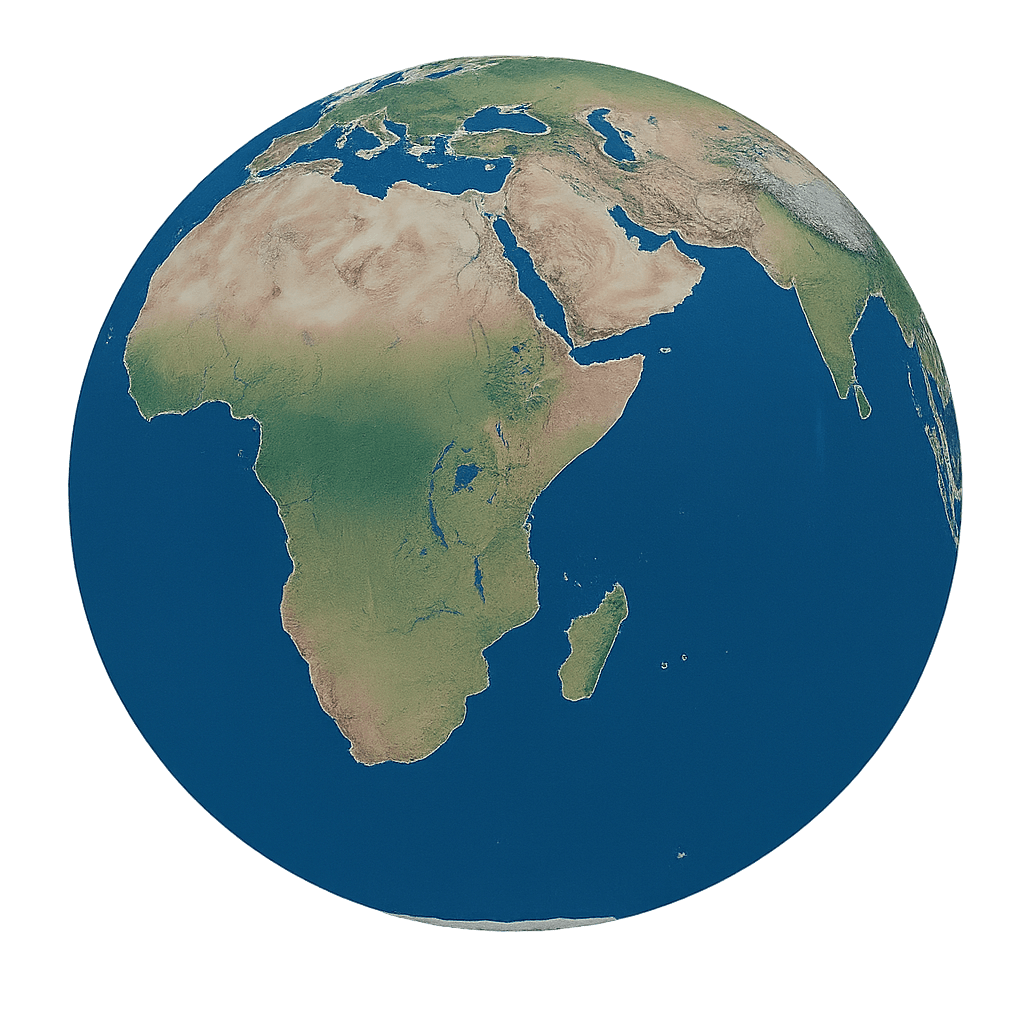
Oil Spill Disaster: A Russian-linked tanker, the Caroline Bezengi, stranded off Oman is now contaminating Omani beaches as monsoon weather slows cleanup. Oman’s environment authority says oil has reached the Ras Madrakah area and could spread along about 40 km of coast, with Masirah Island also at risk; the spill threatens wildlife in a nearby marine nature reserve, including Arabian Sea humpback whales and Socotra cormorants. Response Efforts: British firm Ambrey says salvage vessels are en route and it is coordinating with Omani stakeholders and an international spill-response contractor, while UN maritime officials confirm they are closely monitoring the leakage. Yemen Conflict Spillover: In Yemen, government forces report repelling a Houthi attack on the al‑Mafalis front in Taiz and engaging drones over al‑Mokha, as escalation continues across governorates. Maritime Security Pressure: Insurers are pulling back war-risk cover across parts of the Red Sea and Indian Ocean, reflecting how shipping risks are worsening alongside the environmental threat.
AGP Executive Report
Your go-to archive of top headlines, summarized for quick and easy reading.
Note: AI summary from news headlines; neutral sources weighted more to help reduce bias in the result. Feedback is welcome. Please let us know if you have any comments or suggestions about the AGP Executive Report.
Oil Spill Disaster: A sanctioned Russian “shadow fleet” tanker, the Caroline Bezengi, has leaked for weeks off Oman and is now reaching the mainland, with monitoring showing oil on beaches near Ras Madrakah and a slick reported over 2,000 sq km; monsoon conditions are slowing containment, raising fears for a nearby marine nature reserve home to wildlife including humpback whales and Socotra cormorants. Yemen & Red Sea Fallout: The same regional tensions are worsening shipping risks around Bab al-Mandeb and the Gulf of Oman, with reports of deaths from Houthi attacks on commercial vessels and renewed pressure on global energy routes. Regional Security Shift: Saudi Arabia, Turkey, and Pakistan signed the Mecca Joint Defense Agreement, framing “attack on one” as “attack on all,” while analysts warn the new security order could deepen instability that indirectly threatens maritime safety and the environment. Energy Pressure: The IEA warns oil stockpiles are rapidly depleting, adding urgency to reopening chokepoints like Hormuz as attacks and stalled diplomacy keep supply fears high.
Red Sea security and Yemen’s coastline: Yemen’s coastguard rescued 11 crew members after a Houthi attack in Bab al-Mandab, but the incident adds to fears for freedom of navigation as shipping operators weigh higher risk and insurance costs. Maritime attacks with human toll: At least three Pakistanis were killed in a Houthi strike on a commercial vessel in the Red Sea, with Pakistan’s foreign ministry urging action and coordination with Saudi and Yemen authorities. Regional escalation hitting energy infrastructure: Houthis claimed a precision drone strike on Saudi Aramco’s refinery in Jizan, with Saudi saying the fire was extinguished without casualties—yet the move underlines how Yemen-linked conflict keeps spreading to critical energy assets. Energy pressure with climate spillover risk: The IEA warned global oil stockpiles are “rapidly depleting,” raising urgency to reopen the Strait of Hormuz while Bab al-Mandeb transit remains uncertain—conditions that can worsen pollution and environmental stress across the region. Public health warning for Yemen: A report flags Yemen as among the world’s worst for measles cases, a sign that war disruption is undermining vaccination and could trigger wider regional outbreaks.
Red Sea security and Yemen’s coast: Houthis claimed a precision drone strike on Saudi Aramco’s Jizan refinery, while Saudi said the fire was extinguished without casualties—another sign Yemen-linked attacks are widening beyond the Red Sea. Maritime disruption: A cargo vessel was hit near Yemen’s Mokha, with injuries reported, and a separate incident was flagged in the Gulf of Oman near Pakistan—both raising fresh concerns for shipping through Bab al-Mandeb. Oil spill risk: Oman reported a massive spill from a grounded sanctioned tanker near the Hallaniyat Islands, covering about 390–400 sq km, with wildlife in the nearby nature reserve at stake. Public health in Yemen: Yemen is now among the world’s worst for measles cases, a warning that war-broken health services are failing to protect communities. Regional politics with environmental knock-ons: The new Saudi-Türkiye-Pakistan “Mecca” defense pact and the Iran–US Hormuz standoff keep energy routes unstable, which can quickly translate into higher pollution and higher risk for Yemen’s ports and coastal waters.

Oil Spill Threatens Marine Life: Oman says the grounded, sanctioned tanker Caroline Bezengi has leaked crude near the Hallaniyat Islands, with a slick now covering about 390–400 sq km and within roughly 7 km of the coast—raising alarms for coral reefs, turtle nesting areas, and other habitats in the protected nature reserve. Yemen-Linked Red Sea Pressure: As Houthis keep targeting shipping and Saudi energy, a Saudi Aramco refinery blaze in Jizan was linked to a claimed precision drone strike, underscoring how Yemen’s conflict spills into regional environmental and energy risks. Hormuz Standoff With Environmental Fallout: Iran says the Strait of Hormuz won’t fully reopen unless the US meets conditions including compensation, sanctions relief, and safety steps; Iran also says maritime services should be fee-based—keeping shipping disruptions and pollution risks elevated across the region. Education Support in Yemen: Qatar Red Crescent Society launched “Back to School 2026,” with Yemen included among eight countries and plans to support over 24,000 students across the region. Global Climate Leadership: The Global Environment Facility selected Diego Mesa Puyo as its next CEO and Chairperson, aiming to turn sustainability goals into on-the-ground action.
Oil Spill Response: Oman says it’s working to contain a major leak from the sanctioned Russian tanker Caroline Bezengi near the Hallaniyat Islands nature reserve, with the slick now covering about 390 sq km and spreading toward the coast—raising alarms for coral reefs, turtle nesting areas, and other marine habitats. Yemen Conflict & Environment: As regional tensions rise, Yemen’s Houthis keep striking across the Red Sea and Saudi-linked energy sites, including a reported drone attack that sparked a fire at Saudi Aramco’s Jizan refinery—another reminder of how conflict threatens coastal ecosystems and shipping safety. Strait of Hormuz Pressure: Iran and Oman say new shipping lanes are close, but reopening hinges on U.S. conditions including compensation and sanctions relief; meanwhile, oil prices jump and markets wobble on the risk of continued chokepoint disruption. Regional Security Fallout: Turkey, Saudi Arabia, and Pakistan sign the “Mecca Joint Defence Agreement,” an “attack on all” pact that could further complicate the security picture around Yemen and maritime routes. Humanitarian Support: Qatar Red Crescent launches a “Back to School 2026” campaign reaching Yemen and other countries with school supplies and maintenance support.
UN Yemen Mediation: UN envoy Hans Grundberg warned that Iran-backed Houthi attacks on Mokha are the biggest escalation since the 2022 truce, raising the risk of Yemen sliding back into full-scale conflict and endangering civilians and civilian infrastructure. Red Sea Environment & Livelihoods: The renewed strikes around Mokha Port—missiles, drones, and damage to port-linked areas—threaten a key coastal node near Bab el-Mandeb, while Yemen’s fisheries sector continues to bleed losses, with officials citing over $15 billion in direct and indirect damage from years of blockade and attacks on ports, landing centers, labs, and export facilities. Energy Fallout: Houthis also claimed a drone strike on Saudi Aramco’s Jazan refinery, where Saudi authorities reported a fire that was extinguished with no casualties—another reminder of how Yemen-linked attacks ripple into regional energy and shipping. Maritime Security Pressure: Gulf and UN statements condemning Houthi attacks underscore growing pressure to protect freedom of navigation and uphold UN Security Council resolutions tied to Yemen’s sovereignty and stability.
Red Sea Security: Yemen’s Presidential Leadership Council called the Houthi drone and missile attack on Mokha port an “extension of Iranian escalation,” after reports of deaths and injuries and damage to port and nearby neighborhoods. Maritime Safety & Environment: Yemen’s Transport Ministry condemned a Houthi attempt to target an oil tanker at Mokha port with an explosives-laden boat, warning of potential oil spills and pollution risks to coasts and marine life. UN Diplomacy: Kuwait and Bahrain welcomed a UN Security Council statement condemning Houthi missile attacks on Saudi Arabia and attacks on commercial vessels, stressing respect for Yemen’s sovereignty and the safety of maritime navigation. Regional Security Architecture: Saudi Arabia, Türkiye, and Pakistan signed the Mecca Joint Defence Agreement, framing any attack on one as an attack on all—raising the stakes for Red Sea and Bab al-Mandab security. Energy Shock Watch: Saudi Aramco reported a fire at a Jizan refinery facility, while Houthis claimed a drone strike—another reminder of how conflict can quickly spill into energy infrastructure and environmental risk.
Red Sea Security: Houthi drone attacks hit civilian facilities at Yemen’s Mocha port, with a second reported strike nearby as damage and casualties remain unclear—another reminder of how port disruption can quickly turn into an environmental and humanitarian risk for Yemen’s coast. Port Escalation: Houthis also targeted the port of Al-Mukha (west of Taiz), again focusing on civilian port infrastructure while local authorities verify damage. Maritime Pollution Risk: Yemen’s Transport Ministry condemned a Houthi attempt to attack an oil tanker at Mokha with an explosive-laden boat, warning that any hit could trigger oil spills and pollution of waters, beaches, and marine resources. Regional Pressure on Shipping: Iran says it’s close to an Oman deal to manage a temporary Strait of Hormuz corridor, but reopening depends on US-linked conditions; meanwhile, UAE reports Iran struck another ship in the strait—keeping global energy and shipping routes volatile. Humanitarian Health: Kuwait Red Crescent opened a specialized eye hospital in Marib under its “Kuwait Stands by You” campaign, expanding access to clinics, operating rooms, pharmacy, and inpatient care for residents and displaced people.
Maritime Security & Environment: Yemen’s Transport Ministry condemned an Iran-backed Houthi attempt to hit an oil tanker with an explosive-laden boat at Mokha port, saying authorities detonated it before it reached the restricted zone—warning of possible oil spills and pollution risks to coasts and marine life. Humanitarian Health: Kuwait Red Crescent opened the Yusuf Abdullah Al-Nafisi Specialized Eye Hospital in Marib under its “Kuwait Stands by You” campaign, expanding clinics, operating rooms, pharmacy and inpatient care for residents and displaced people. Regional Shipping Pressure: Iran says a Strait of Hormuz deal with Oman is close but not enough to fully reopen traffic, while the UAE accuses Iran of striking another vessel—keeping global energy and shipping risks high. Food Security: UN agencies warned Yemen’s food crisis could worsen as Houthi operations intensify, Red Sea attacks continue, and humanitarian funding declines, with FAO projecting over half of Yemenis may face crisis-level food insecurity. Conflict Escalation in Yemen: Reports say fighting has surged in Marib, with government forces attacking Houthi positions amid missile and drone strikes.
Food Security Alarm: The UN warns Yemen’s food crisis is set to worsen as Houthi operations intensify, Red Sea and Bab al-Mandeb shipping faces continued attacks, and humanitarian funding drops—FAO projects over 53% of Yemenis could face crisis-level hunger (IPC 3+) soon. Maritime Pollution Risk: NGOs warn a Russian “shadow fleet” tanker is leaking oil near Oman’s protected nature reserve after explosions, with satellite imagery showing a growing slick—raising fears of a severe, long-lasting environmental disaster. Yemen Conflict Toll: Yemen’s internationally recognized government reports a major offensive against Houthi positions in Marib and Hadramaut after drone and missile strikes killed dozens of troops, with the deadliest attack in years cited by medical sources. UN Diplomacy Push: The UN discusses with Yemeni officials ways to revive the political process and de-escalate the crisis, stressing a sustainable settlement and safer humanitarian access. Regional Security Spillover: EU condemns Houthi attacks on Saudi and Yemeni civilian infrastructure, while the UN Security Council also condemns unauthorized Yemen airport landings and missile attacks affecting regional stability.
Regional Security & Yemen: Saudi Arabia, Türkiye, and Pakistan signed the “Mecca Joint Defence Agreement,” saying any attack on one will be treated as an attack on all—aimed at collective deterrence amid the US-Iran war and renewed Houthi pressure that has disrupted Red Sea and Hormuz shipping. EU Condemnation: The EU strongly condemned Houthi attacks hitting civilian infrastructure in Saudi Arabia’s Najran and Yemen’s Marib, calling the strikes “unacceptable” and urging immediate cessation. Maritime Risk for Yemen-linked trade: ADNOC reported missile and drone attacks on its vessels in the Strait of Hormuz, underscoring how regional conflict keeps energy routes dangerous—an issue that directly affects Yemen’s import costs and environmental exposure from shipping disruptions. Strait of Hormuz & environment: Iran and Oman talks on managing Hormuz are being debated, with proposals reportedly including fees and restrictions—raising fresh concerns for coastal ecosystems and pollution risks if traffic patterns remain unstable.
Oil Spill Risk: NGOs warn an alleged Russian “shadow fleet” tanker is leaking near Oman’s Hallaniyat Islands, with satellite images showing an expanding slick that could cause severe, long-lasting damage to coasts and sea life. Yemen Conflict: A Houthi missile and drone strike killed 18 Yemeni government security personnel (including an officer) and injured others, with the Yemeni Defense Ministry promising a response “at the appropriate place and time.” Maritime Security: As Iran-Oman talks continue on Strait of Hormuz shipping routes, Iran’s parliament is reviewing a draft plan to bar “hostile” vessels (including US and Israeli-linked ships), while Centcom says it is still enforcing a naval blockade and redirecting traffic. Red Sea Pressure: The Houthis claimed a ballistic missile attack on a Saudi oil tanker in the Gulf of Aden, framing it as part of a “maritime blockade,” adding to fears of further disruption to energy shipments. Regional Defense: Saudi Arabia, Pakistan, and Turkey signed a joint defense agreement in Mecca, pledging collective deterrence as Gulf tensions rise.
Maritime Environment Risk: Oman is dispatching response teams to the stranded Caroline Bezengi oil tanker near the Hallaniyat Islands off Dhofar after an oil spill began spreading, raising fears for coastal areas and sea life. Yemen Conflict & Spillover: The Houthis claimed large-scale rocket and drone attacks on Yemeni Army camps in Marib and Hadramaut, while also reporting strikes on Saudi tankers in the Gulf of Aden; UKMTO said a loud explosion near a tanker was reported with no environmental impact yet. Local Cleanliness & Public Health: In Yarim (Ibb), the Cleaning and Improvement Fund received a new water tanker vehicle worth 38 million Yemeni riyals to boost sanitation and protect public health and the environment. Regional Shipping Pressure: As Iran-Oman talks near a Hormuz route framework, shipping traffic through the strait has reportedly collapsed to just a couple of transits, keeping fuel and food pressures high for Yemen. Disaster Risk Cooperation: A UN report says Libya hosted a regional workshop with Yemen and others on disaster risk reduction, early warning, and preparedness—aimed at reducing shared climate and hazard impacts.
Strait of Hormuz talks: Iran and Oman say they’ve agreed on coordinates for a new temporary shipping route, but not a full reopening—Tehran wants a role in managing inbound traffic while warning safety can’t be guaranteed while the US blockade of Iranian ports continues. Shipping disruption: Commercial traffic through Hormuz has nearly stopped, with only two vessels reported passing in a day, as insurers and crews stay wary. Red Sea pressure on Yemen: Houthis claimed a ballistic missile strike on a Saudi oil tanker “Daisy” in the Gulf of Aden, tying attacks to a “blockade for blockade” campaign that threatens tanker routes near Yemen. Oman oil-spill risk: NGOs warn of an expanding spill from a Russian “shadow fleet” tanker near Oman’s Qibliya Island, with satellite images showing slick growth and fears the vessel could break apart. Public mood: A Reuters/Ipsos poll finds Americans expect US action against Iran to destabilize the Middle East and worsen gasoline prices. Yemen-linked humanitarian strain: Reports also highlight conflict’s toll on mothers and breastfeeding, underscoring the need for psychosocial and health support in Yemen and the region.
Maritime Security in Yemen: UKMTO reported a “strong” explosion near a tanker about 95 nautical miles southeast of Aden; crew were safe and no environmental impact was reported, while Yemen’s Houthis also claimed attacks on Saudi-linked tankers as they press a “blockade for blockade” strategy. Red Sea Shipping Pressure: A separate report said an Indian-flagged vessel was hit and sank off Yemen’s Red Sea coast; 13 Indian sailors and one Yemeni were rescued, underscoring how attacks are disrupting regional fuel routes. Strait of Hormuz Talks: US President Trump said a deal to reopen Hormuz could be announced within days as Iran and Oman finalize a framework, with reports suggesting no transit fees and different lanes for inbound vs outbound traffic—though Iran warns insecurity remains. Environment & Health Fallout: Yemen’s Ministry of Health and Environment held a Sana’a airport press conference saying the long Saudi siege is collapsing access to medicines and specialized care, turning health needs into a humanitarian catastrophe. Global Climate Governance: The GEF named Diego Mesa Puyo as its next CEO and Chairperson, highlighting energy transition and sustainability goals toward 2030.
Red Sea Security & Yemen Shipping: Yemen’s Houthis claimed they struck a Saudi oil tanker, “Wafa/Wafaa,” off Yanbu with ballistic missiles, as attacks on merchant traffic keep fuel routes under pressure; at the same time, an India-flagged cargo vessel was reported sunk off Yemen’s coast, with the crew rescued and taken to Mokha—another reminder that maritime pollution risk rises when ships are hit near busy ports. Hormuz Deal Watch (Energy + Environment): US President Trump said a Strait of Hormuz reopening deal could come Wednesday or Thursday, while Iran and Oman report progress on safe lanes—an outcome that could ease fuel price shocks and reduce the environmental strain of rerouted shipping. Yemen Humanitarian & Water Stress: Coverage flags Yemen’s ongoing environmental fallout—water shortages, air pollution, deforestation, and infrastructure collapse—alongside renewed conflict pressures that worsen public health. Local Development: Dhamar University opened a conference on smart technologies for a “secure and sustainable digital future,” pointing to sustainable tech efforts beyond the front lines.
Strait of Hormuz Talks: Senior U.S. officials say a deal to reopen the Strait of Hormuz could be reached “today or tomorrow,” with Iran and Oman making progress; the emerging plan would route ships into the Persian Gulf via an Iranian-controlled channel and out via Oman, with service fees tied to security and “preserving the maritime environment,” though any final deal appears linked to lifting the U.S. blockade on Iran’s ports. Red Sea Shipping Risk: The Red Sea remains volatile as attacks continue; an India-flagged vessel, Faize Noore Oliya, sank after a projectile hit off Yemen, but all 14 crew were rescued, while reports also point to ongoing threats around Bab el-Mandeb. Hidden Pollution Concern: Satellite-based research suggests oil and gas sites in parts of North Africa and the Middle East emit far more carbon dioxide than official records show, raising the risk that climate goals are being missed. Yemen Displacement: IOM reports 240+ newly displaced people in Yemen last week, with most fleeing safety and security concerns.
Red Sea & Gulf shipping risk: A Windward report says 22 China-linked vessels transited Bab el-Mandeb and called at Saudi ports (July 20–Aug 2) without incidents, while Houthi attacks hit four Saudi oil tankers on separate days—raising fears of uneven protection and more route disruptions. Oil spill threat: Satellite images reviewed by AP warn a sanctioned tanker leaking off Oman’s Hallaniyat Islands could worsen as monsoon seas approach, with crude sheen spreading and reaching shore. Yemen health support: Qatar Red Crescent Society completed a dialysis centre at Ibn Khaldoun Hospital in Lahij (12 machines, water treatment, generators, free treatment), with gradual patient intake and plans to expand across the governorate. Food insecurity pressure: A UN warning highlights hunger hotspots where conflict and climate shocks are worsening shortages, while donor cuts and the US shift away from USAID strain WFP and other aid agencies. Water & power strain in the region: Reports describe widespread summer shortages and outages affecting water supplies across North Africa and Yemen, adding pressure to already fragile communities.
Humanitarian Aid Shift: The US has resumed funding for global health and humanitarian programmes via multilateral agencies after dissolving USAID, pledging nearly $2bn over two months for hunger, disease control, disaster relief and child health. Red Sea & Yemen Health Access: Qatar Red Crescent Society (QRCS) has completed a new free dialysis centre at Ibn Khaldoun Hospital in Lahij (12 machines, water treatment, generators, training), with gradual patient intake and plans to expand across districts. Climate & Water Stress in the Region: A wider Arab-world heat-and-fire crisis is worsening water and power shortages, with outages hitting Yemen and other countries and driving fresh pressure on drinking and irrigation supplies. Migration & Displacement Risks: Climate migration into Yemen is flagged as a growing regional security threat as drought and conflict compound vulnerability. Policy Shock for Yemenis: US TPS terminations guidance now treats Yemen’s TPS as ended (July 20, 2026), with employers told to reverify affected beneficiaries amid ongoing legal uncertainty. Energy Security Pressure: Middle East tensions continue to disrupt shipping and raise stakes for regional energy routes, with Hormuz and Red Sea risks feeding broader instability.
Sign up for:
Green Planet News Yemen
The daily local news briefing you can trust. Every day. Subscribe now.
Check Your Email!
We sent a one-time activation link to: .
Confirm it's you by clicking the email link.
If the email is not in your inbox, check spam or try again.
Welcome back!
is already signed up. Check your inbox for updates.