
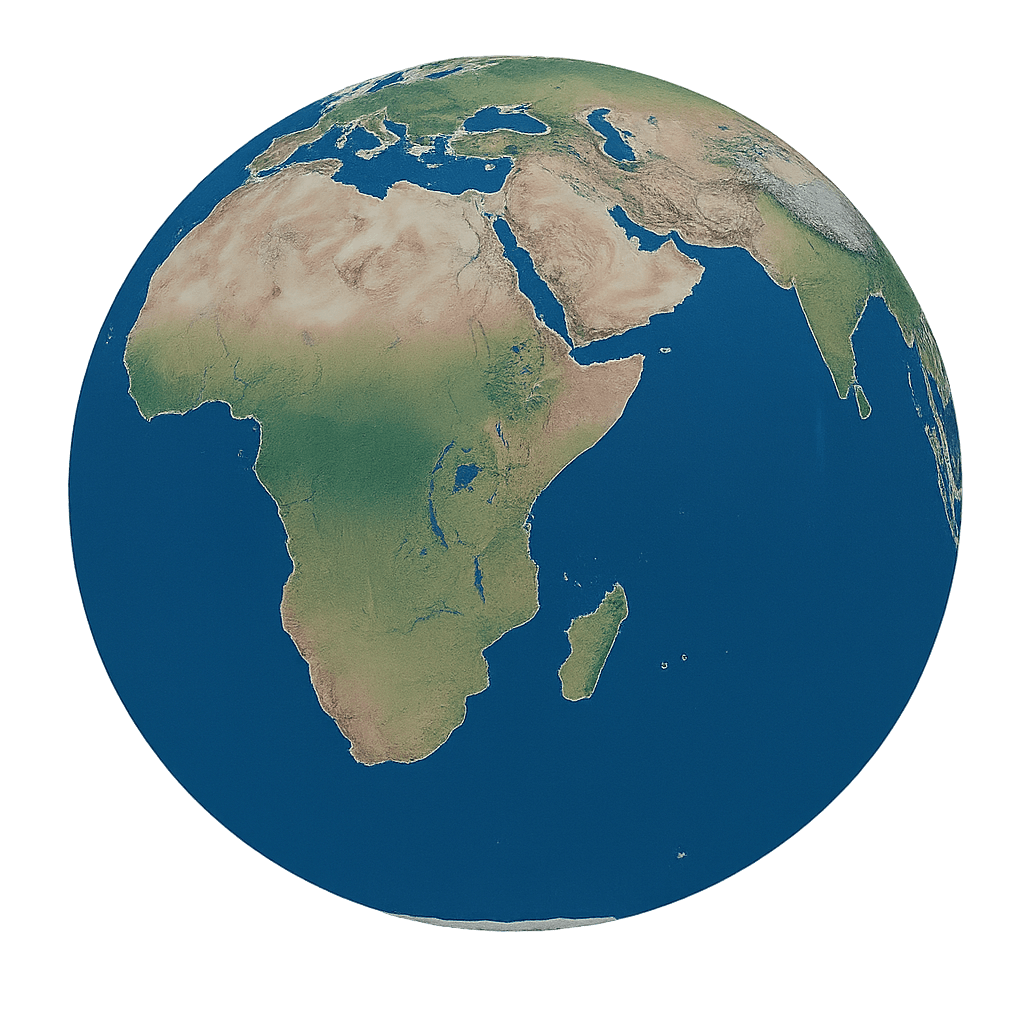
Food and Water Security: Fighting and road closures around Taiz are squeezing deliveries of food and fuel, driving up prices and raising fears of shortages. A Yemen WASH insecurity analysis also maps urgent water, sanitation and hygiene needs as conflict escalates. Coastal Waters: Explosions were reported near a tanker off Yemen’s coast, while attacks threaten shipping around Bab al-Mandab. No spill was reported, but the incidents put added pressure on the country’s vulnerable coastal waters.
AGP Executive Report
Your go-to archive of top headlines, summarized for quick and easy reading.
Note: AI summary from news headlines; neutral sources weighted more to help reduce bias in the result. Feedback is welcome. Please let us know if you have any comments or suggestions about the AGP Executive Report.
Food and Farming: FAO is urging more investment in seeds, livestock and water as conflict, economic shocks and climate pressures weaken food production across the Near East and North Africa. The agency says more than 45 million people in the region face severe hunger.
Food and Farming: The FAO is urging urgent support for agriculture across the Near East and North Africa, where conflict, economic shocks and climate pressures are worsening food insecurity. It says investment in seeds, livestock and water can help families keep producing food and protect livelihoods. Water and Sanitation: A Yemen-focused analysis has mapped priority water, sanitation and hygiene needs amid escalating conflict, underscoring the strain on essential services.
Yemen War & Environment: Saudi Arabia’s Cabinet reaffirmed full support for Yemen’s Presidential Leadership Council, saying the Iran-backed Houthi militia chose military escalation over peace—deepening Yemen’s humanitarian and economic suffering and threatening maritime navigation near the southern Red Sea and Bab al-Mandeb. Bab al-Mandeb Pressure: Reuters reported government forces recaptured areas around Bab al-Mandeb, with video showing armored vehicles driving over opposing fighters—fighting that has already shaken fuel supplies and prices. Regional Security Ripple: Saudi, Pakistan and Türkiye activated the Mecca defense pact, moving from political signaling to faster deployment as Yemen tensions rise. Climate & Disaster Risk: UNICEF warned that a strong El Niño could bring unusually wet or dry conditions across many countries, raising the risk of floods and droughts—an added threat for children in crisis and conflict-affected areas. Food & Water Stakes: The same El Niño outlook points to water scarcity and displacement risks in parts of the Greater Horn of Africa, where flooding could also spread water-borne disease.

Yemen War & Environment: Yemen’s government says it has launched “Operation Yemen Dawn” to restore state control, with offensives spanning the west coast, Taiz, Marib, al-Jawf and toward the Bab el-Mandeb Strait—moves that could further disrupt Red Sea shipping and the fragile coastal ecosystems that depend on stable maritime activity. Maritime Risk: Reports of explosions and tanker incidents near Yemen’s coast and in the Strait of Hormuz underline how conflict is raising the odds of oil spills and pollution at key chokepoints. Regional Security Spillover: Saudi Arabia, Pakistan and Türkiye have activated the Mecca Joint Defense framework, including plans to deploy forces—escalating pressure around Yemen and the sea lanes that carry fuel and goods. Climate Policy Backdrop: The US Supreme Court is weighing local governments’ climate-change lawsuits against oil and gas firms, a reminder that climate impacts and disaster costs are increasingly tied to legal and energy decisions. Humanitarian & Health Strain: Yemen’s escalating fighting is also being linked to warnings about the health system’s collapse, raising the risk of environmental health crises alongside battlefield damage.
Yemen Dawn Offensive: Yemen’s internationally recognized government says it has launched “Operation Yemen Dawn” to restore state authority and end the Houthi coup, with a strategic push aimed at retaking Sanaa and securing the Bab al-Mandeb Strait, while forces report gains along the west coast including the Bab al-Mandeb region and Dhubab airport. Humanitarian & rights pressure: The UN chief voiced concern over a sharp escalation in Yemen, as fighting intensifies and cross-border attacks continue. Red Sea shipping risks: UKMTO reported explosions near a tanker south of Mocha in the Gulf of Aden, with no crew injuries and no environmental damage reported—another reminder of how quickly maritime routes can become hazardous. Regional security ripple effects: Turkey and Pakistan said they will deploy troops to support Saudi Arabia under the Mecca defense framework after Houthi attacks, while Saudi Aramco warned that rebuilding global oil and fuel stocks after the Hormuz disruption could take up to two years, raising pressure on energy supplies tied to Yemen-linked chokepoints.
Oil & Shipping Security: UKMTO reported multiple explosions near a tanker about 60 nautical miles south of Yemen’s Mocha in the Gulf of Aden; the crew was safe and no environmental damage was reported, but authorities urged extra caution as attacks keep raising risks around Bab el-Mandeb. Red Sea Energy Pressure: Saudi Aramco CEO Amin Nasser warned global crude and refined fuel stockpiles are “scarily thin,” saying refilling inventories could take up to two years as the US-Iran standoff strains key routes and markets. Yemen Conflict Spillover: Yemen’s Saudi-backed forces say they launched a major campaign to retake Houthi-held areas, including positions near the Red Sea and Bab el-Mandeb—moves that could further affect shipping and regional stability. Regional Support & Yemen’s Economy: Saudi Arabia, via SDRPY, provided over SR224 million (about $59.8m) to support Yemen’s budget, aiming to keep salaries and services flowing.
Maritime Safety: UKMTO says explosions were reported near a tanker south of Yemen’s Mocha; crew were safe and no environmental impact was reported, but authorities urged vessels to transit with caution near Bab el-Mandeb. Energy & Environment: Reports also link Yemen’s conflict to attacks on Saudi energy assets, raising fears of wider disruption to oil flows that can quickly spill into regional pollution and air-quality risks. Civil Infrastructure Under Fire: Coverage highlights claims of attacks damaging a maternity hospital in Sanaa, with warnings that striking healthcare facilities violates humanitarian law—an indirect but serious threat to public health and sanitation. Regional Security Talks: Turkey’s foreign and defense leadership will meet in Riyadh with Saudi and Pakistan officials under the Mecca defense pact, with Houthi attacks on the agenda. Yemen Budget Support: Saudi Arabia provided SR224 million in new funding to Yemen’s budget to help cover salaries and operational costs. Water for Farming: Oman research explores harvesting water from air for solar-powered greenhouse and hydroponic agriculture in salt-affected areas, a model relevant to Yemen’s water stress.
War Crimes in Taiz: Taiz Rights and Freedoms Network says Saudi-aligned mercenaries mutilated bodies and mistreated prisoners, calling it an internationally prohibited war crime and urging accountability. Humanitarian Strain in Yemen: Reports say Saudi strikes hit Sanaa and other provinces, damaging Al-Sabeen maternity and child hospital and wounding detainees, with health officials calling attacks on medical facilities a clear breach of international humanitarian law. Red Sea Pressure: Yemen’s Houthis accuse Saudi Arabia of strikes including on Riyadh’s Aramco facilities, while fighting around Taiz continues and the wider Bab el-Mandeb area remains a flashpoint for shipping and energy flows. Escalation Planning: Saudi Arabia is reportedly weighing a major operation to regain control near Bab el-Mandeb, with options ranging from limited action to broader offensives across Yemen. Food Security Signal: Hajjah farmers report successful cultivation of Yemeni rice in districts like Aslam and Qafl Shamar, aiming to cut reliance on imports. Water Innovation in the Region: Oman research explores harvesting water from air using solar-powered greenhouses and hydroponics for salt-affected lands, including areas near Yemen.
Yemen War & Health Impacts: Saudi strikes hit Yemen’s capital Sana’a and other provinces, damaging Al-Sabeen maternity and child hospital and wounding detainees, with Houthis accusing attacks on healthcare of violating international humanitarian law. Taiz Frontline Fighting: Heavy exchanges around Taiz left dozens dead on both sides, with reports of bridge destruction and growing risks to civilians as fighting spreads across multiple fronts. Red Sea Security Pressure: Analysts warn that Yemen’s conflict is tightening the Red Sea and Bab el-Mandeb choke point, raising the chance of wider regional instability and shipping disruption. UN Mediation Effort: UN Yemen envoy Hans Grundberg held Cairo talks on escalation and regional repercussions, aiming to push a sustainable end to the fighting. Food Security in Yemen: Hajjah recorded progress in cultivating Yemeni rice using locally developed tools, a step toward reducing reliance on imports. Water & Agriculture Innovation (Oman): Oman’s project on harvesting water from air with solar-powered greenhouses and hydroponics highlights a possible model for salt-affected, water-scarce areas near Yemen.
Yemen Food Security: Hajjah farmers scored a major win with locally grown Yemeni rice, using homegrown tools and methods in districts like Aslam and Qafl Shamar—an effort aimed at cutting import dependence and strengthening national food security. Red Sea & Civil Aviation Risk: UN Yemen envoy Hans Grundberg wrapped up Cairo talks focused on Yemen’s escalation and its spillover into the Red Sea, while Yemen warned the UN about Houthi threats to civil aviation. Taiz Frontline Impact: Fighting near Taiz continues to intensify, with reports of heavy casualties and damage including the destruction of a bridge linking government-held areas to Aden—raising risks for civilians. Maritime Chokepoints Under Pressure: The wider region remains tense as attacks and military moves threaten shipping lanes around Bab el-Mandeb and Hormuz, with oil tanker incidents reported and security concerns growing. Humanitarian Funding: The UN released $160M in emergency aid for underfunded crises, including $18M for Yemen, as access and obstacles remain major hurdles.
Red Sea & Yemen access: ReliefWeb/UNHCR reports renewed fighting on Yemen’s west coast and southwest frontlines has displaced close to 130,000 people, disrupted the Mokha–Taiz road and forced aid groups to scale back movements, worsening civilian harm and access to supplies. Humanitarian funding: The UN released $160M in emergency aid for 12 underfunded crises, including $18M for Yemen, warning that 87M people need help and access barriers must be removed. Regional escalation with environmental knock-ons: Saudi-led coalition claims and wider Iran–US tensions are intensifying around Red Sea shipping and Hormuz, raising risks for energy flows and maritime safety that directly affect Yemen’s environment and livelihoods. Local environment diplomacy: Qatar joined the 37th Arab Environment Ministers meeting in Cairo, chaired by Yemen, signaling continued regional cooperation on climate and sustainable development. Women in Yemen’s security: A report highlights Yemen’s growing role of women in policing and security posts in Taiz, reflecting social change amid ongoing conflict.
Red Sea security & shipping: Reports warn that growing ties between Yemen’s Iran-backed Houthis and Somalia’s Al-Shabab could combine training and smuggling routes, raising the risk of attacks across the Gulf of Aden and Red Sea corridors. Humanitarian pressure in Yemen: Aid groups say renewed fighting is worsening an already dire situation, with hospitals short on staff, medicines and supplies as casualties rise. Environment diplomacy in the region: Yemen chaired the 37th Council of Arab Ministers Responsible for the Environment in Cairo, with Kuwait and Qatar participating; talks focused on climate change, biodiversity, desertification, water-food links, and damage to Gaza’s water/soil/air/ecosystems. Food security & gender impacts: A new warning highlights that women and girls make up 53% of projected additional people facing food insecurity, with Yemen among the most concentrated risks. Local agriculture & resilience: Sana’a’s Al-Baldah Al-Tayyibah exhibition showcased strawberries and local legumes from southeastern agricultural cooperatives, aiming to boost farmers’ market access. Energy & conflict spillover: A tanker was hit in the Strait of Hormuz, with fire reported and environmental impact still unknown—another reminder of how regional escalation can threaten waterways.
UN Environment Diplomacy: Yemen’s chairing role at the 37th Council of Arab Ministers Responsible for the Environment in Cairo kept climate, biodiversity, desertification and water-security on the agenda, with Yemen and Qatar pushing for stronger regional coordination and climate financing. Red Sea Air Safety: Yemen warned the UN Security Council that Houthi use of Iranian-origin air-defense weapons near international air routes—modified in Yemen—poses a direct threat to civilian aircraft, including UN and humanitarian flights. Maritime Risk: A tanker was hit in the Strait of Hormuz, triggering a fire; officials said the crew was safe and the environmental impact was still unknown. Yemen Humanitarian Pressure: Aid groups say renewed fighting between Iran-backed Houthis and Saudi-backed forces is worsening Yemen’s already fragile health and food situation, with insecurity and funding gaps blocking deliveries. Food Systems Focus: Global Food Week returned to Abu Dhabi with a push from resilience to “readiness” for future disruptions, spotlighting food security solutions relevant to Yemen’s crisis. Energy & Trade Shock: Saudi Crown Prince warned of an energy crisis with uncertain outcomes, while stressing protection of sea lanes and de-escalation efforts.
Arab Environment Ministers: Kuwait joined the 37th Council of Arab Ministers Responsible for Environmental Affairs, with Yemen’s water and environment minister calling for stronger Arab coordination on climate financing, biodiversity, desertification, and water-food security, while warning that Gaza damage is hitting water, soil, air and ecosystems. Yemen Aviation Safety: Yemen warned the UN Security Council that Houthi forces are using Iranian-origin air-defense weapons modified in Yemen, with heat-seeking missiles that can threaten civilian aircraft on international routes. UN Mediation Effort: UN Yemen envoy Hans Grundberg wrapped up talks in Cairo and also met Houthi representatives in Amman, urging de-escalation and renewed political dialogue as fighting spreads toward the Red Sea coast. Red Sea Security Alarm: Reporting highlights growing concern over Houthi links with Somalia’s Al-Shabab, raising fears for shipping safety across the Gulf of Aden and Red Sea routes. Health Under Strain: Yemen’s doctors warn the health system could collapse as renewed fighting drives hundreds of casualties daily into already under-supplied hospitals. Food & Climate Pressure: UNGA discussions stressed that food security is tied to climate shocks, conflict, and global trade disruptions—especially when sea routes like the Red Sea and Hormuz are under pressure.
Aviation Safety in Yemen: Yemen’s government warned the UN Security Council that Houthi forces are using Iranian-origin air-defense weapons modified in Yemen, posing a direct threat to civilian aircraft over the southern Red Sea and to UN/humanitarian flights. UN Mediation Effort: UN Yemen envoy Hans Grundberg wrapped up talks in Cairo with Egyptian and Arab League officials, urging de-escalation and renewed political dialogue as fighting spreads toward the Red Sea coast. Red Sea Security Alarm: Reports say Houthi logistics links are expanding toward Somalia’s Al-Shabab, raising fears of a wider threat to Red Sea and Gulf of Aden shipping. Regional Military Posture: Saudi Crown Prince Mohammed bin Salman reiterated de-escalation efforts while warning Saudi security is “non-negotiable,” and said the world faces an energy crisis with uncertain outcomes. Mecca Defense Pact Moves Forward: Saudi, Turkey and Pakistan are building the Mecca Joint Defense Agreement’s institutions, with plans for urgent military coordination amid Houthi attacks.
UN Yemen Mediation: UN envoy Hans Grundberg wrapped up a three-day visit to Cairo, meeting Egypt’s FM Badr Abdelatty and the Arab League chief to discuss Yemen’s escalation and spillover into the Red Sea, with UN efforts aimed at a sustainable end to the conflict. Humanitarian Fallout: The renewed fighting since July has displaced around 180,000 people, with thousands fleeing toward Djibouti, as clashes spread across Taiz, Lahj, Marib, Al-Jawf and Al-Bayda. Red Sea Security & Environment: Reports say the Houthis have expanded maritime logistics routes after advances near Bab el-Mandeb, raising risks for shipping and the wider ecosystem that depends on stable sea lanes. Regional Pressure on Yemen: Saudi officials stress freedom of navigation through Hormuz and Bab al-Mandeb, while Yemen’s coast guard warns the threat now includes smuggling networks and links to armed groups. EU Support for Yemen: EU and partners held “Partners Days” in Amman to align EU-funded programs, including agriculture and food security, livelihoods, and services.
Red Sea Security & Yemen: Yemen’s western coast and the Bab al-Mandeb are under fresh strain as Houthis expand maritime logistics routes, while government forces reportedly pull back from Mayyun Island—raising fears for shipping, smuggling, and regional spillover. Humanitarian & Displacement: The latest escalation has already displaced more than 122,000 people across eight governorates, deepening a cycle of repeated displacement. Regional Diplomacy: The EU and partners wrapped up “Partners Days 2026” in Amman, reviewing EU-funded priorities for Yemen across agriculture, food security, livelihoods, and services. Food & Livelihoods: In Sanaa, officials discussed absorbing local cow milk production into dairy factories, with a focus on quality, food safety, and refrigerated transport to sustain income. Governance & Services: Amanat al-Asimah highlighted 1,474 service and development projects worth over 56 billion riyals during the 21 September Revolution anniversary. Climate/Environment Angle: With sea-lane risks rising, Yemen’s food security and water/energy stability face added pressure as regional conflict disrupts trade and supply.
Red Sea & Bab el-Mandeb Security: Yemen’s latest escalation keeps pressure on the Bab el-Mandab Strait and Red Sea shipping, with the UN warning the situation is volatile and humanitarian harm is deepening as fighting drives fresh displacement. Humanitarian Fallout: WHO figures cited in coverage say more than 122,000 people were displaced across eight governorates after the recent surge in fighting, adding to repeated cycles of displacement. Regional Stakes: A Yemen expert says the Houthis’ push toward Bab el-Mandeb gives them long-term leverage over a key maritime chokepoint, tied to Iran-backed support and the wider Washington–Tehran confrontation. Diplomacy vs. Force: Commentary and reporting argue Yemen needs a political settlement, not another military cycle, while regional defense pacts face their first real tests. Local Food & Livelihoods: In Sanaa, officials discussed absorbing cow breeders’ milk production into dairy factories, stressing quality, food safety, and refrigerated transport to support incomes. Development & Climate Finance: AGFUND signed new deals at the UN-linked Concordia Summit, including a FinTech lab for Yemen’s Central Bank in Aden and climate-risk micro-insurance work using early warning systems.
Yemen’s Health Crisis: Yemen’s Health Minister warned that falling funding could shut down services in some areas, saying only 17% of needed humanitarian health support is currently covered; he cited shortages of medicines, fuel and supplies, with displacement in Taiz, Lahj and Aden adding pressure amid cholera, measles and polio risks. Local Food Security & Jobs: Sana’a reported a push for Yemen-made agricultural machinery at the “Al-Balad Al-Tayyib” festival, highlighting local mechanization as a path to self-sufficiency and reduced import dependence. Red Sea Aviation Safety: Yemen’s Information Minister warned airlines and ICAO about Houthi use of converted Iranian air-defense weapons, urging updated risk checks for southern Red Sea flight paths. Climate Justice at UNGA81: St. Kitts and Nevis’ acting PM told the UN that small island states can’t keep adapting as the climate crisis intensifies, calling for stronger financing and action. EU Red Sea Security: EU foreign policy chief Kaja Kallas urged member states to add naval assets to the Red Sea mission, saying current ship numbers fall short of the threat level near Bab al-Mandab. Conflict-Linked Energy Pressure: Oil prices jumped after US-Iran diplomacy stalled over Strait of Hormuz reopening, underscoring how regional tensions can quickly ripple into global supply and costs.
Sign up for:
Green Planet News Yemen
The daily local news briefing you can trust. Every day. Subscribe now.
Check Your Email!
We sent a one-time activation link to: .
Confirm it's you by clicking the email link.
If the email is not in your inbox, check spam or try again.
Welcome back!
is already signed up. Check your inbox for updates.